

Jefferson County contractors do not shop for a truck the way most buyers do. A daily driver has to survive gravel lots off US-31, hauling material down US-11 through Fairfield and Bessemer, and a payload that changes from job to job. Reliability is not a nice-to-have here. It is the difference between a job finishing on time and a truck sitting at a shop instead of a site.
Driver's Way's Birmingham lot on Hwy 280 currently carries a mix of used work trucks that fit different jobs, from the everyday half-ton to heavier-duty options built for real towing loads. Here is how to match the truck to the work, without paying for capability you do not need.
What the Job Actually Demands
Every contractor's truck has to answer three questions honestly: how much weight rides in the bed, how much gets pulled behind it, and how many hours a week it spends on job-site gravel and side streets instead of the highway. No-haggle pricing and a 240-point inspection do not change any of that math, but they do mean the truck that answers those questions is priced fairly and mechanically sound before it ever leaves the lot.
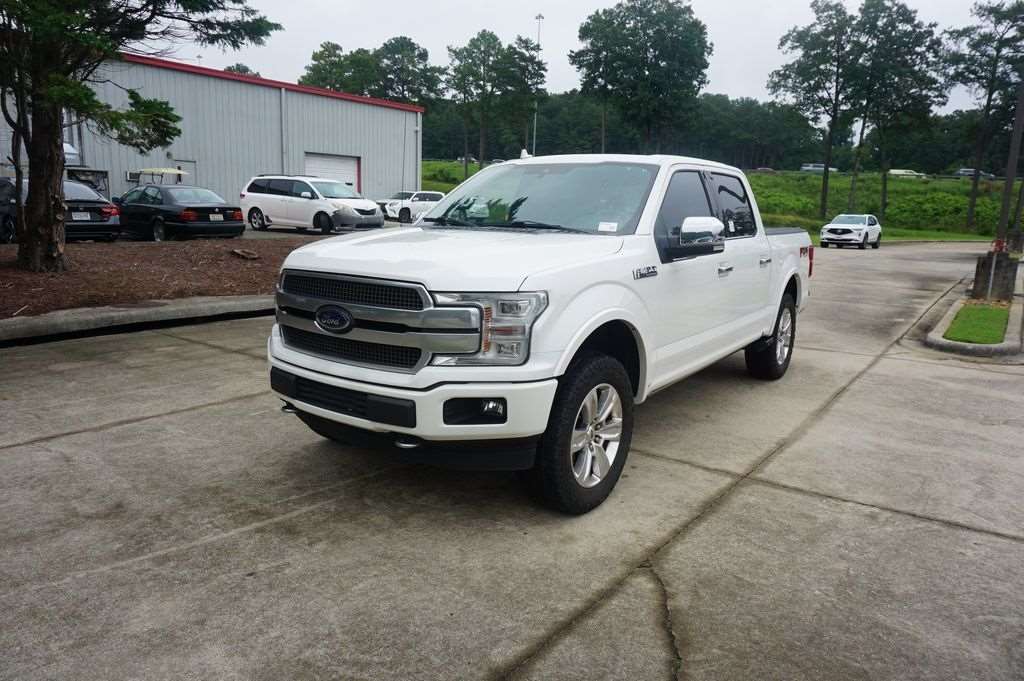
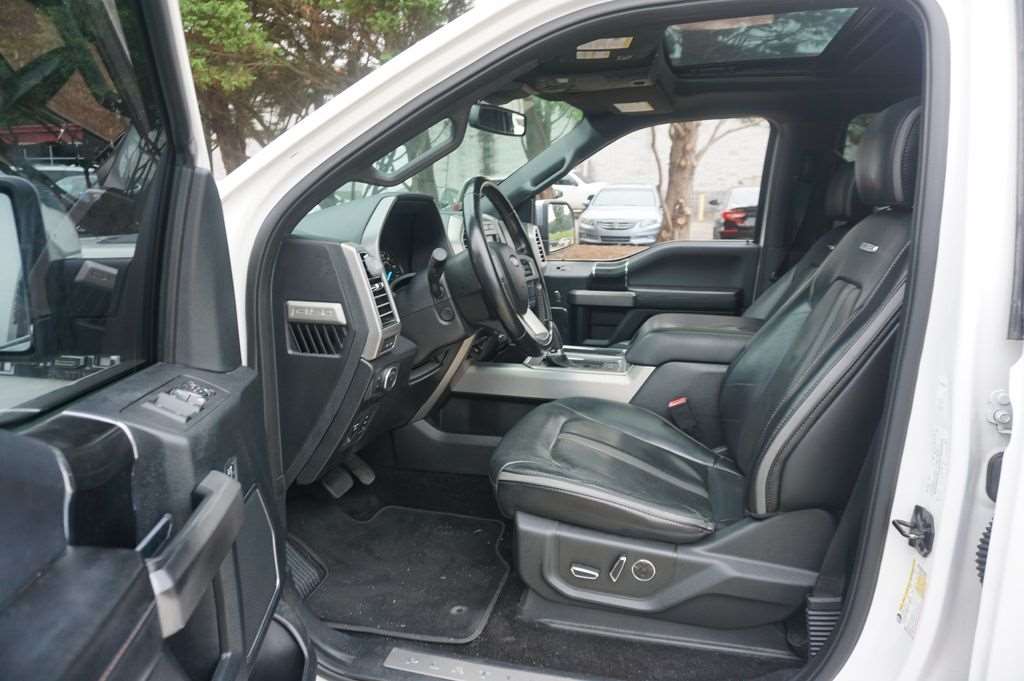
The F-150 is the truck most Jefferson County contractors already know how to work with. It handles a daily mix of tools, material runs, and moderate trailer towing without the fuel and parking penalty of a heavier truck, which matters on tight urban job sites around Birmingham. Aluminum body panels resist the dents and dings that come standard with job-site use.
For a contractor running between multiple smaller jobs across the week rather than one heavy-haul site, the F-150 covers the work without asking for a heavy-duty truck's fuel bill or turning radius.
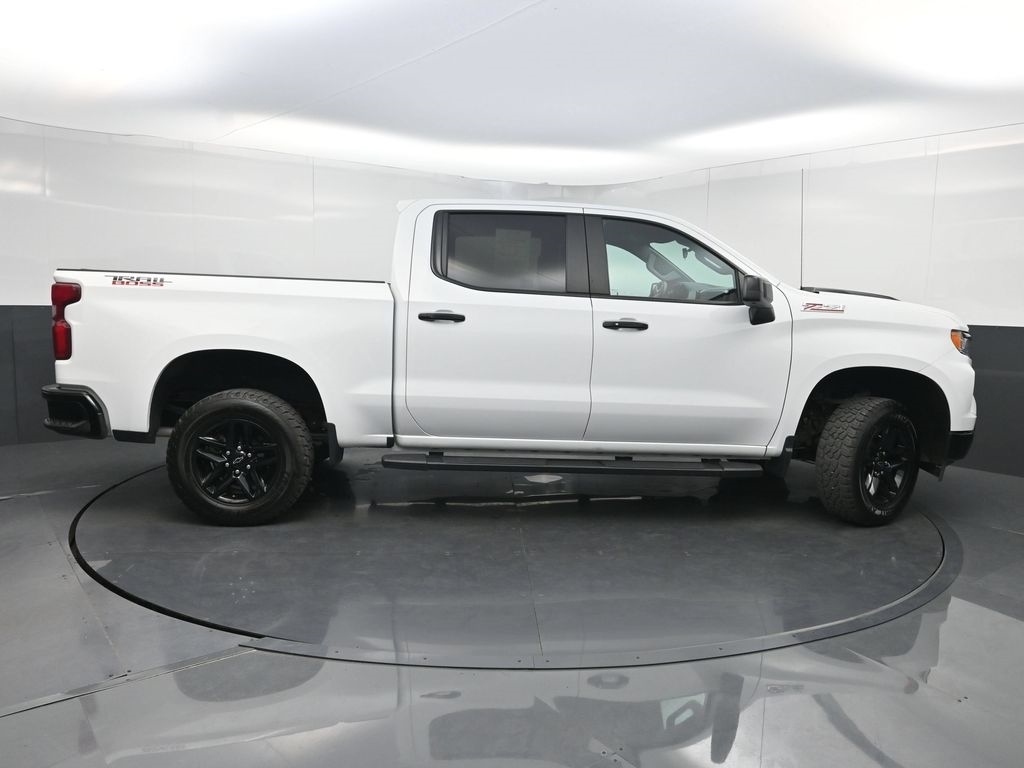
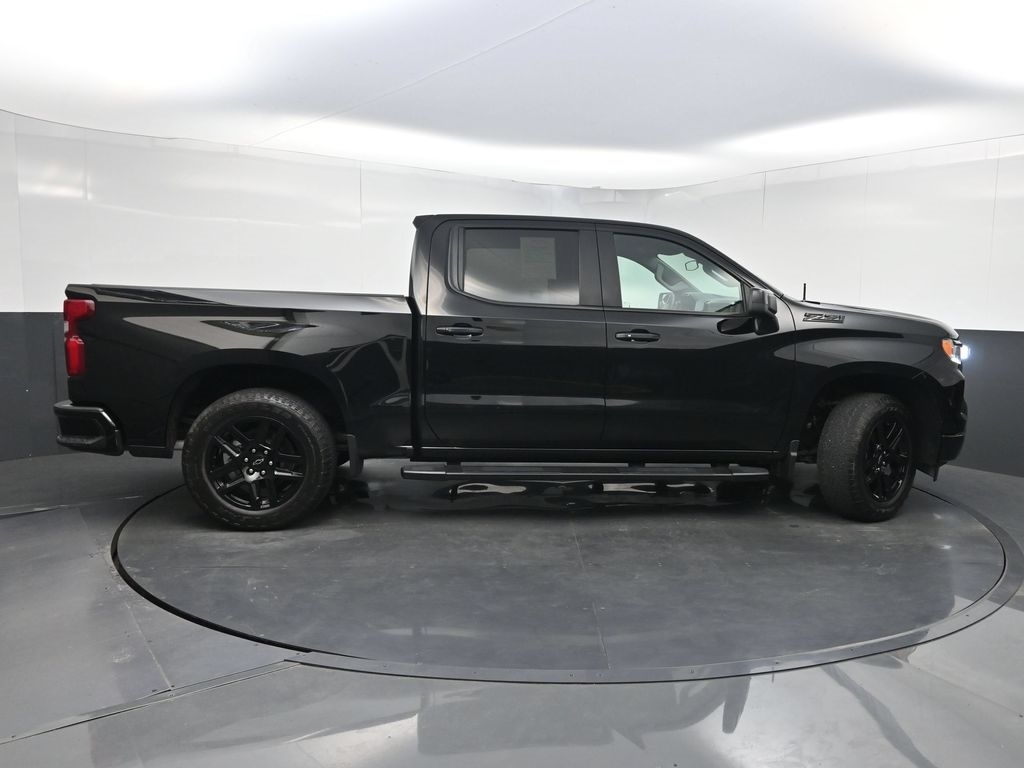
The Silverado 1500 sits alongside the F-150 as a half-ton workhorse, with a bed and cab configuration lineup that lets a contractor match the truck closely to the job. A crew cab short bed threads through tighter Birmingham streets; a regular cab long bed maximizes hauling length for lumber and pipe runs.
For contractors who split time between job sites and daily errands, like supply runs down US-11 through Bessemer, the Silverado 1500's ride quality and fuel economy make it an easy truck to live with outside of work hours too.
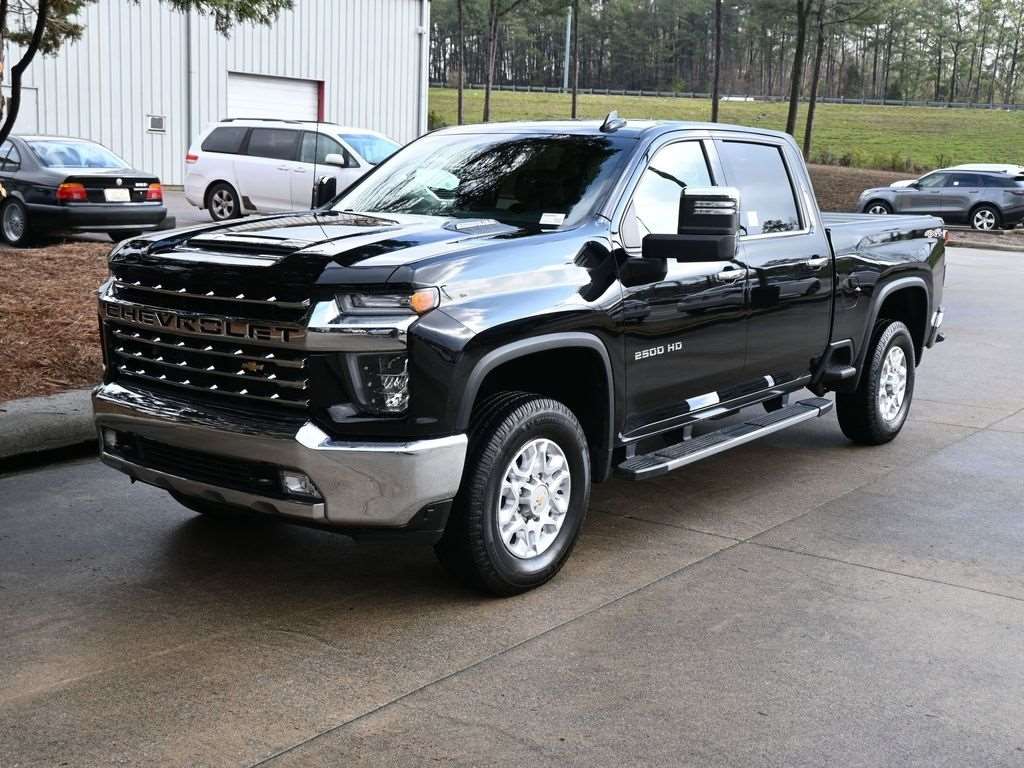
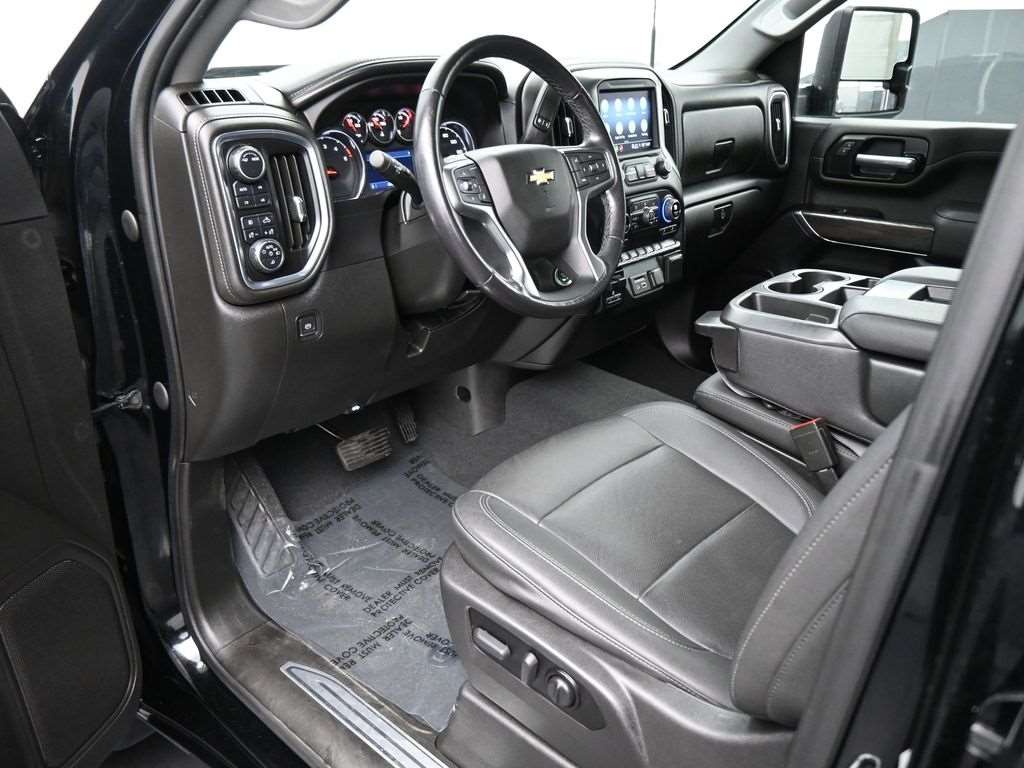
When the job means pulling a loaded equipment trailer or hauling near the bed's weight limit on a regular basis, a half-ton truck is the wrong tool. The Silverado 2500HD's heavier-duty frame, suspension, and available diesel powertrain are built for exactly that kind of daily load, the kind that wears out a half-ton truck's components ahead of schedule.
The trade-off is a bigger footprint and a bigger fuel bill. For a contractor whose work genuinely calls for it, that trade is worth making. For a contractor towing occasionally rather than daily, it usually is not.